
The IYTT Blog: Thinkers' Corner
What do we see and think after our time in China?
Impressions and thoughts from two Youth Fellows spending time in China.
Public discourse often relies on broad binary assumptions about openness, control, and censorship. This article aims not to contribute to these binaries by offering a definitive assessment of life in China, but rather to document our observations within specific cultural and educational contexts. Drawing on our experiences attending cultural programmes and teaching, we consider the extent to which information, art, education, and civic life appear open and accessible in China.
Context and positionality
As our reflections draw from different forms of engagement, we briefly outline the contexts from which each of us writes.
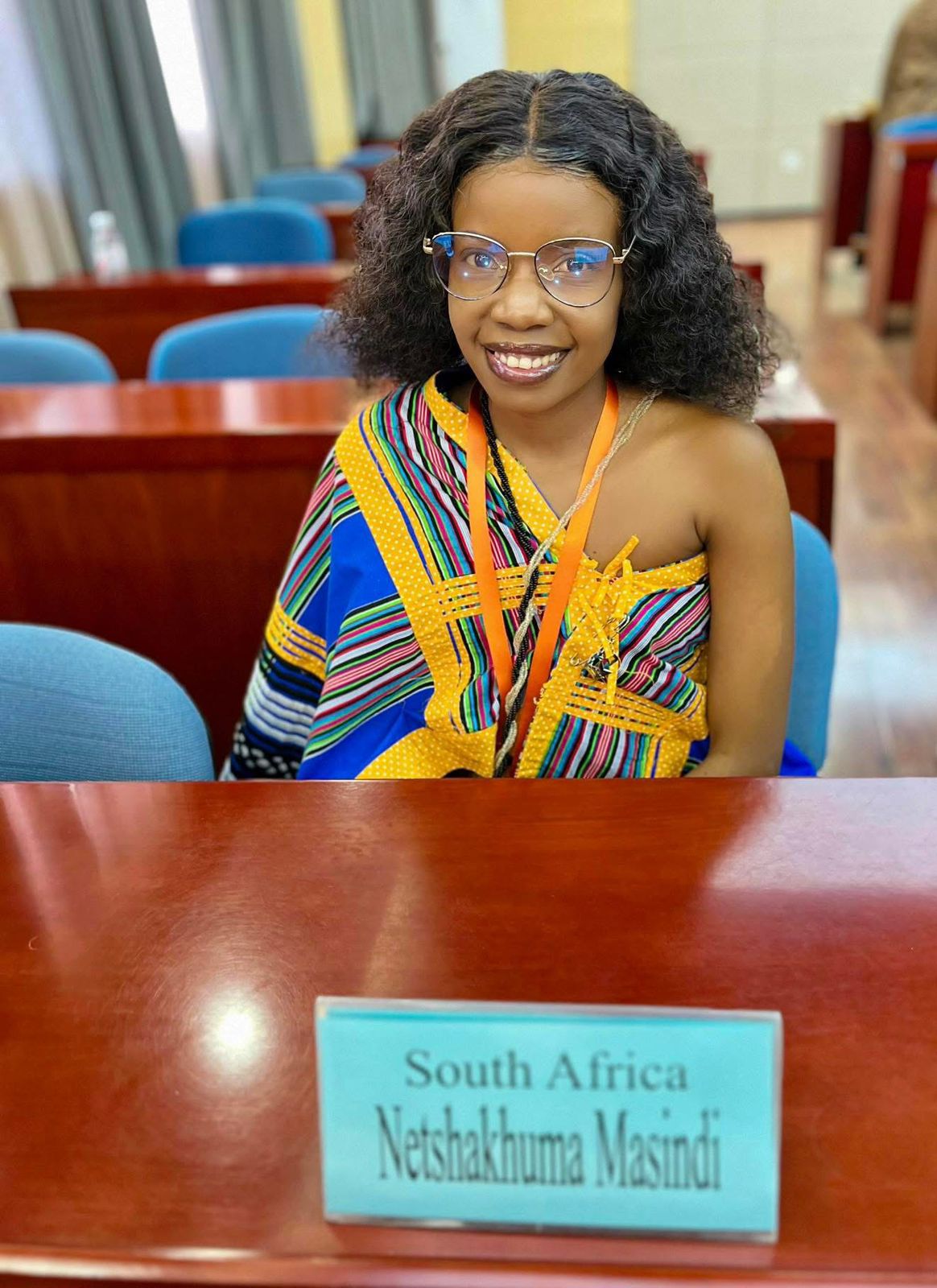
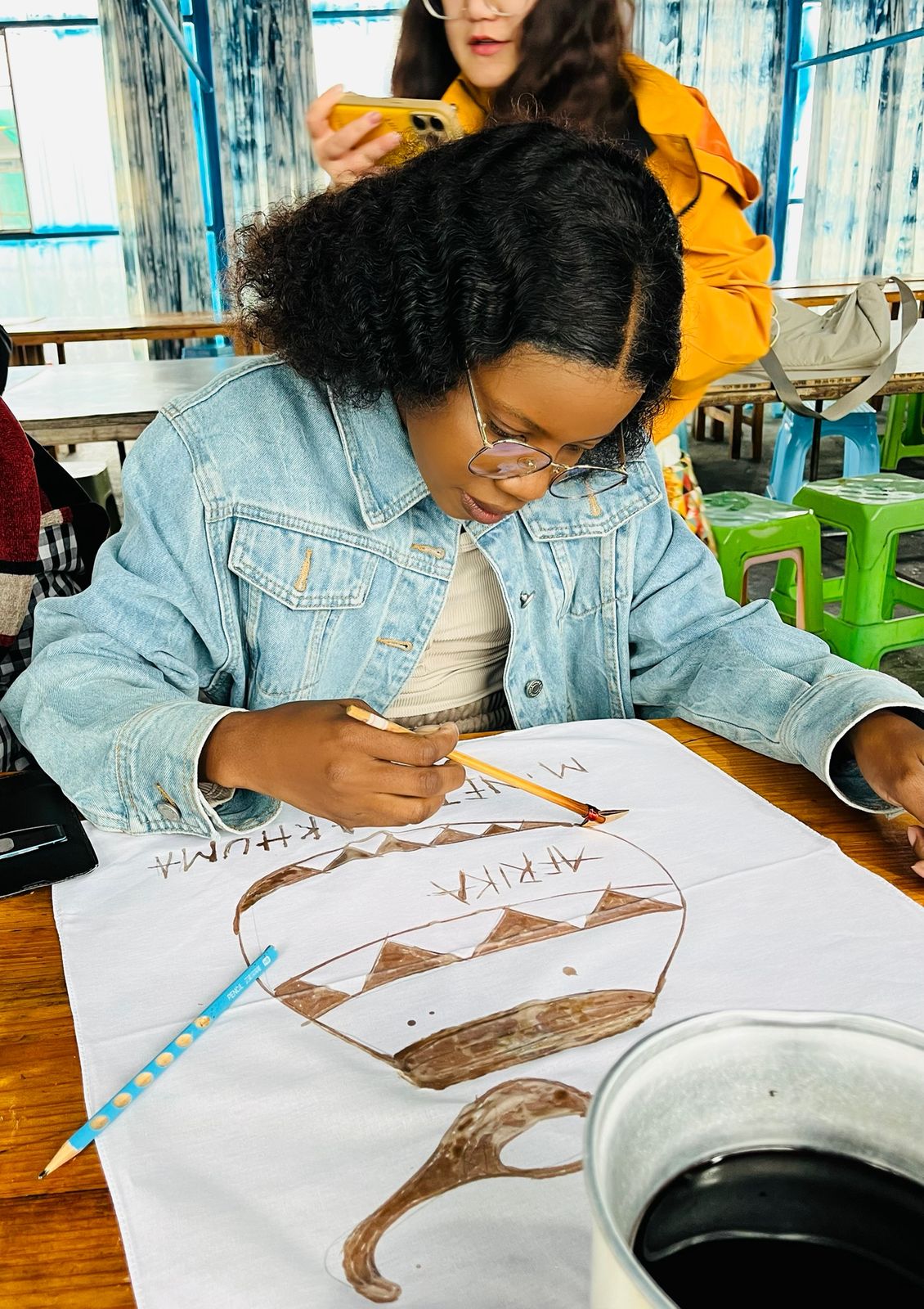
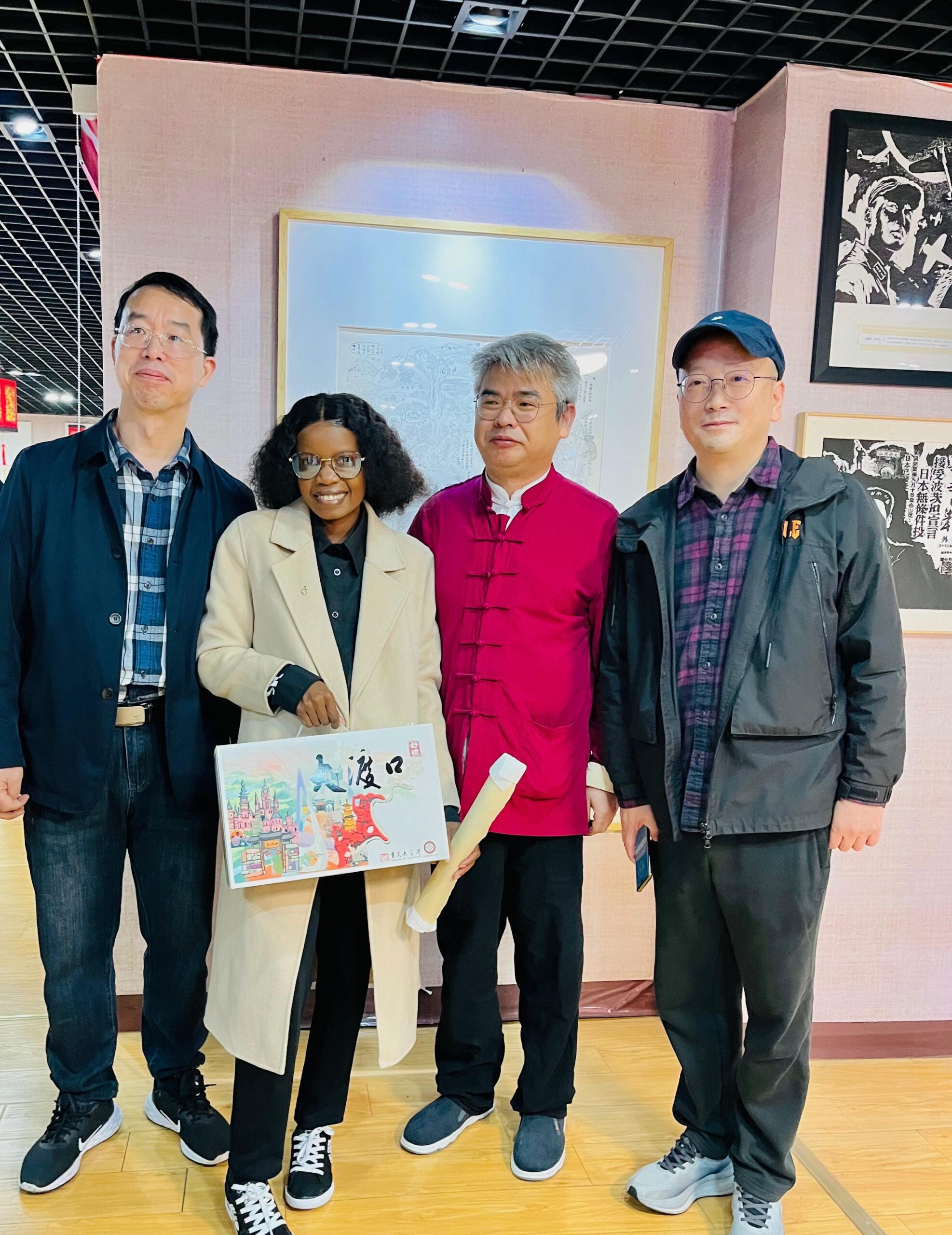
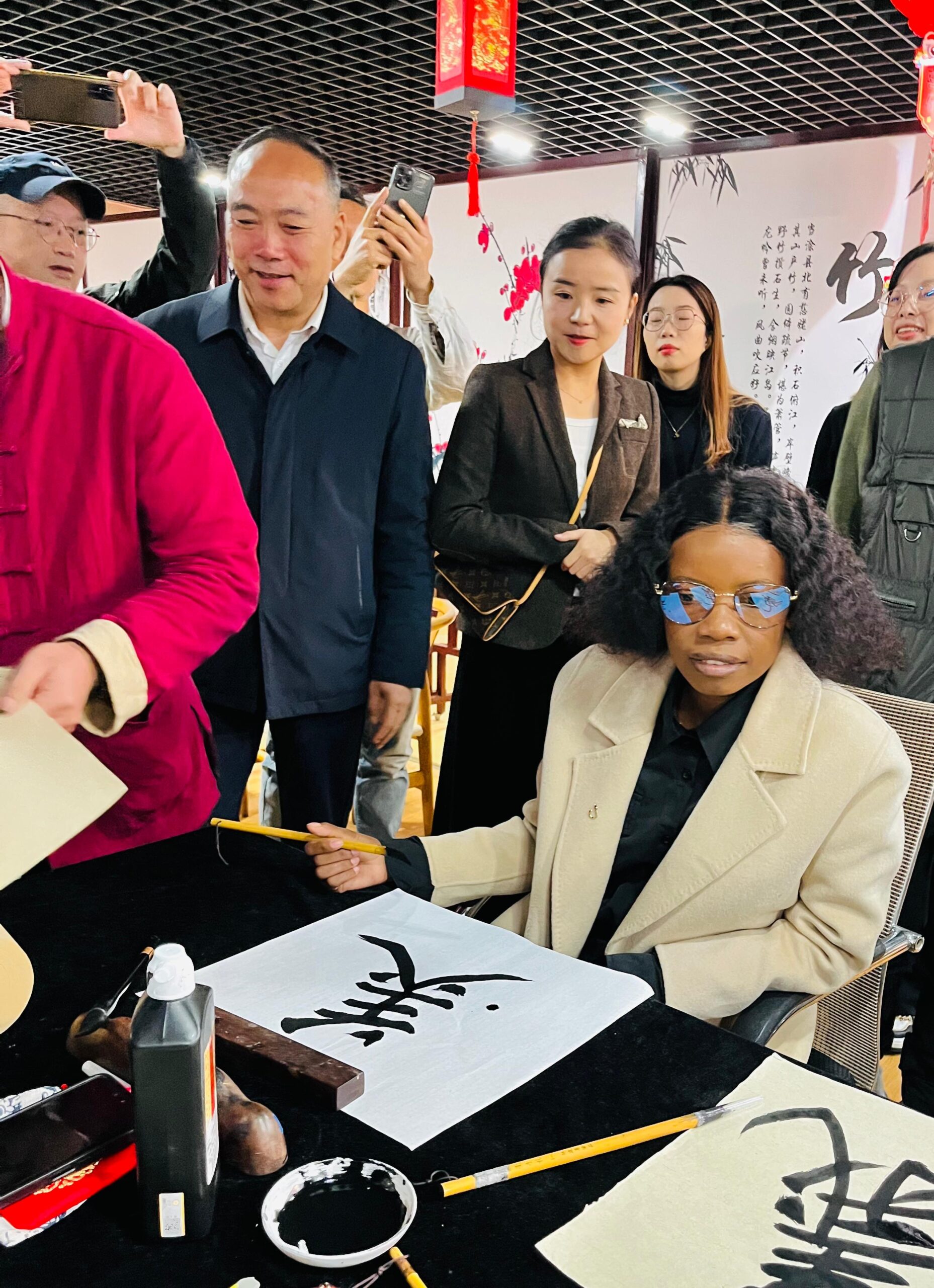
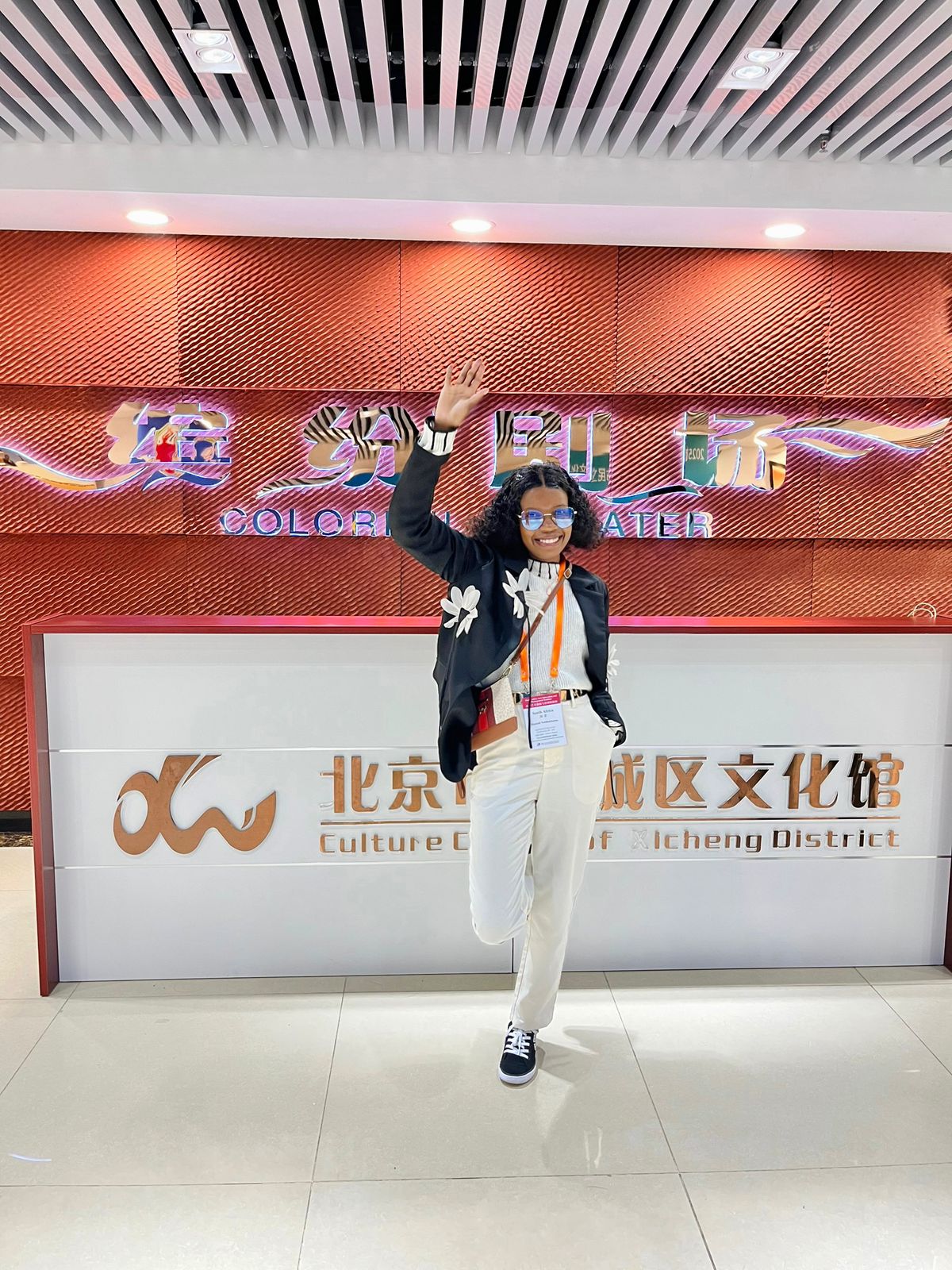
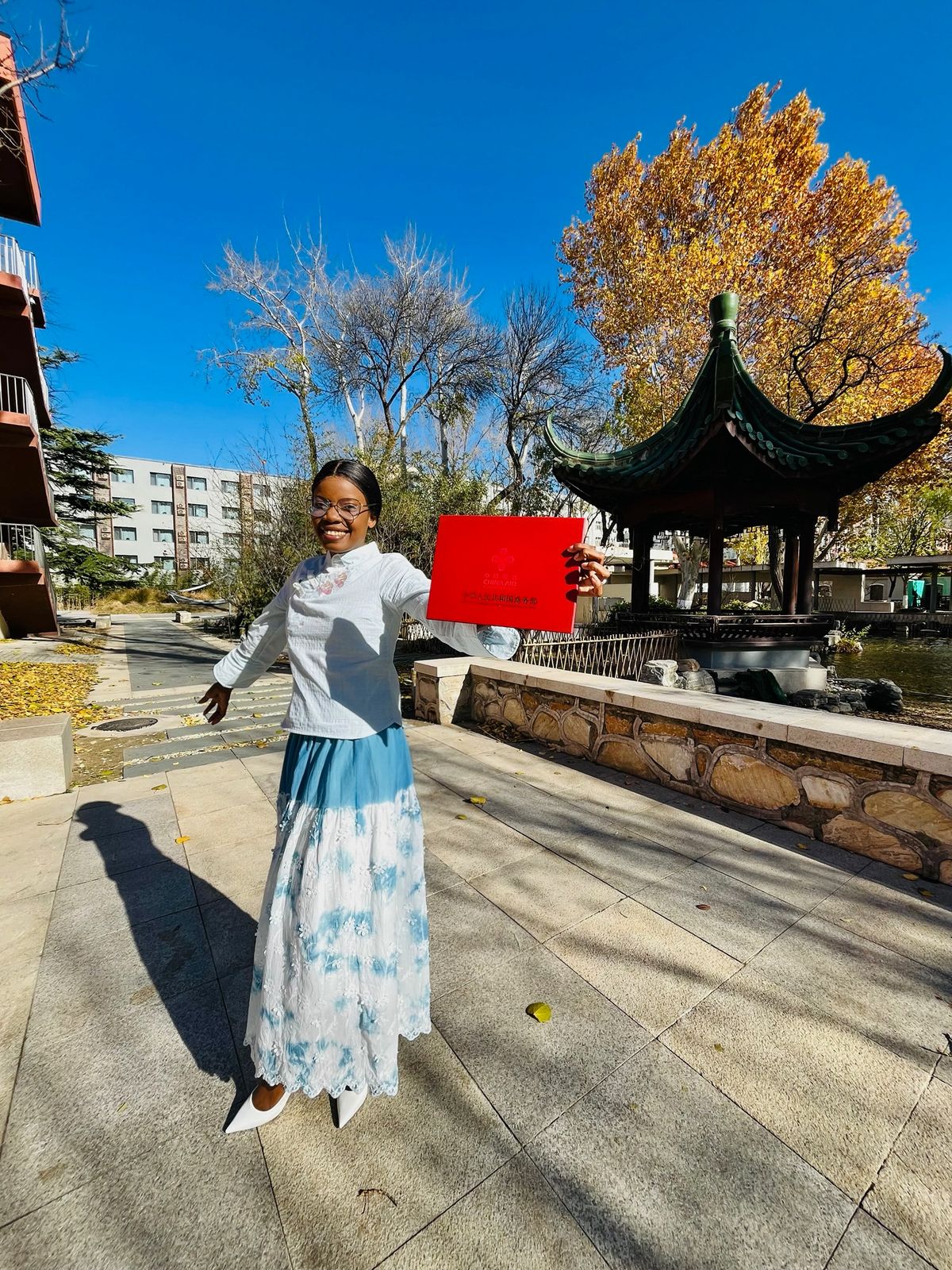
Masindi visited the People’s Republic of China from October to November 2025 at the invitation of the Embassy of the People’s Republic of China to participate in the South Africa Arts Innovation and Management Seminar. During the programme, she explored key cultural sites in Beijing, Chongqing, and Guizhou. The visit formed part of a cultural exchange programme focused on art innovation, cultural management, and heritage preservation.
Kaitlyn currently works as an English teacher at a university in Beijing and has been living there for five months at the time of writing this article. Her reflections are based on her experiences teaching and engaging with students and colleagues.
To what extent is information open and accessible in China?
K: From my experiences, the information environment in China can be described as relatively restricted, but access to external information remains possible under certain conditions. Access to sites like Google, some foreign news outlets, as well as social media platforms like TikTok, Facebook, and Instagram is restricted in China. Instead, China has its own ecosystem of apps. The most ubiquitous is WeChat, which is like a super-app that can be used to message people, share ‘moments’ (sort of like microblogging), pay for things, post articles, check the news, and access mini-programmes (essentially apps for different companies and businesses). There is also Xiaohongshu/RedNote (a mix between Pinterest and Instagram), Douyin (Chinese TikTok), Weibo (apparently like X – but it requires a Chinese ID number in order to create an account and is seen, according to one student of mine, as a more reliable source of information), and Bilibili (similar to YouTube).
While these restrictions exist, certain VPNs can be used to access restricted sites and censored information. It should be noted that VPNs themselves have some restrictions. Only government-approved VPNs are legal, and those that aren’t can be banned. Thus, not all VPNs work in China, and it is not uncommon for VPNs that previously did work to stop working. Nonetheless, non-government-approved VPNs are frequently used by foreigners and based on personal observations, are relatively common – especially amongst China’s young people. However, they can be difficult to download in China and those that actually work usually require a subscription fee, so they aren’t necessarily easily accessible.
Not only is access possible, but I have witnessed students interested in using VPNs to access censored information. A student told me that many Chinese students like to use ChatGPT (which requires a VPN to access it) – partly to practice English and partly because Chinese AI is restricted by censorship and ChatGPT can provide more access to information. The student also told me that students can use platforms like YouTube to learn more information about events like Tiananmen, which is highly sensitive and discussions around which are generally avoided.
While I can’t speak to how widespread this perspective actually is, there is a transmission of information from restricted sites into Chinese society, particularly from foreign social media platforms. For example, I taught a lesson about South Africa and started by asking students what they already knew about SA. The very first thing that came up was the purple profile pictures to show solidarity for gender-based violence and femicide in SA. (I have also had a student ask me to explain what “face card never declines” means.)
Based on my experiences, while uneven and sometimes unstable, access to external information in China is possible for motivated individuals, and elements of global discourse do circulate.


M: Additionally, there are mechanisms that support the spread of information and make it more accessible. For me, one of the most striking aspects of my time in China was the structured and intentional dissemination of knowledge. Through lectures led by respected scholars and cultural administrators, we were introduced to China’s national conditions, cultural policies, talent cultivation systems, and reform strategies within performing arts institutions. Information was presented in a highly organised and strategic manner. I observed how access to cultural knowledge is formalised through academic institutions, museums, exhibitions, and state-supported programmes.
What makes China’s approach to art and creativity unique?
M: In China, art is not treated as a luxury like it often is in many other countries; it is part of everyday life. What I observed was a society where creativity is normalised and taken seriously. From traditional calligraphy to large-scale theatre productions, artistic expression carries both historical roots and modern innovation. I attended about 11 major arts festivals, and it became clear to me that significant resources are invested in making art immersive and highly produced.
At the same time, this visibility of art is not accidental; it reflects structured planning, strong institutional backing, and deliberate cultural positioning. Art is preserved and showcased with intention. While this creates impressive experiences, it also shows how strategically culture is managed and presented. Another reality in China, some contemporary Chinese artists face challenges entering international markets due to political sensitivities or geopolitical tensions, which affects cross-cultural collaboration.

What freedom exists within China’s education system?
K: Before arriving, I had heard the stereotype that students’ educational pathways are predetermined, with limited room for individual choice. My experience suggests a more complicated picture. I teach an undergrad class that is part of a special fast track programme for high performers. Most of them seem not to enjoy what they study – but not because they had no choice. When asked why they chose their majors, the most common reasons were that they had a good high school teacher who encouraged them; they wanted to study a field that would help them find a job after graduating (though they seem rather bleak about their field’s job prospects); or they wanted to live in Beijing, which influenced their choice of university and ultimately their choice of major. These seem to me remarkably similar to the average South African student and makes me think of people I know who compromised on their choice of degree for the opportunity to study in Cape Town. Their dissatisfaction with their majors seemed to stem less from lack of choice than from the intensity of the programme itself. They have an intense class schedule (classes from 8:00–17:00 on some days) and must maintain a minimum average to remain in the programme, so they frequently study late.
This does not mean that structural factors play no role in shaping students’ education. For instance, at the end of high school, students sit the Gaokao – China’s national college entrance exam – the results of which determine which universities (and often which majors) students can be accepted into. When I had students write reports about the challenges facing their hometowns, a recurring topic was inequality in education. One student from Zhejiang province wrote about a reform that eliminated the junior high entrance exam in order to reduce academic pressure on children. As a result, junior high schools – like primary schools – admit students based on school districts. However, the student writes that there are significant differences in teaching quality and educational resources between schools. Students from financially disadvantaged backgrounds are often unable to afford school fees and property prices in districts with higher-quality schooling. The student brings attention to the unfairness of the situation, noting that all students ultimately sit the same senior high school entrance exam and Gaokao. Since Gaokao results are a determining factor in university admission, inequalities in earlier stages of education can have long-term consequences for students.
Overall, in my role as a foreign English teacher, I have experienced considerable freedom in what and how I teach. I’m not required to follow a coursebook and can design my own curriculum. While certain topics are generally recommended to be avoided, particularly domestic politics and religion, the scope for designing lessons remains quite open. For example, I taught a lesson on hometowns where we discussed GBV, apartheid, colonialism, and race in South Africa. (Interestingly, my class informed me that they had learnt about apartheid in their high school history class and seemed to be big fans of Nelson Mandela.) These conversations remained relatively surface-level, but this was primarily due to the difficulty of discussing abstract topics in a second language rather than any sense that these topics were off-limits or unwelcome. It should be noted, though, that this reflects just my experience in one institutional context and may not be representative of the broader academic environment in China.
What have our experiences taught us about the way government and society intersect in China?
M: Perhaps the most profound lesson from my visit was witnessing the synergy between government and society in cultural development. Cultural heritage preservation, language protection, large-scale festivals, and institutional reforms are supported through structured government frameworks.
The state plays an active role in safeguarding intangible heritage while simultaneously encouraging innovation. This collaboration between public institutions, artists, and communities creates resilience. Culture is seen as a pillar of national identity, and its protection is treated as a shared responsibility.
The programme’s seamless organisation, care for international delegates, and the integration of cultural exchange further reflected how diplomacy and cultural engagement are thoughtfully managed at both governmental and societal levels.
Beyond cultural initiatives, government presence was visible in public spaces – with cameras on streetlights, both inside and outside buildings, in classrooms, in shopping centres, in parks. The extensive monitoring system made China feel safe and created a strong sense of order, accountability, and public security.
K: Government presence also appeared in more routine aspects of everyday life. For example, when teaching a theme on careers, I had a few students tell me they wanted to become government officials. According to them, even though officials don’t make much money, they have a good work-life balance. I found it interesting that government employment appeared to be treated as an ordinary and practical career option rather than a particularly ideological one.
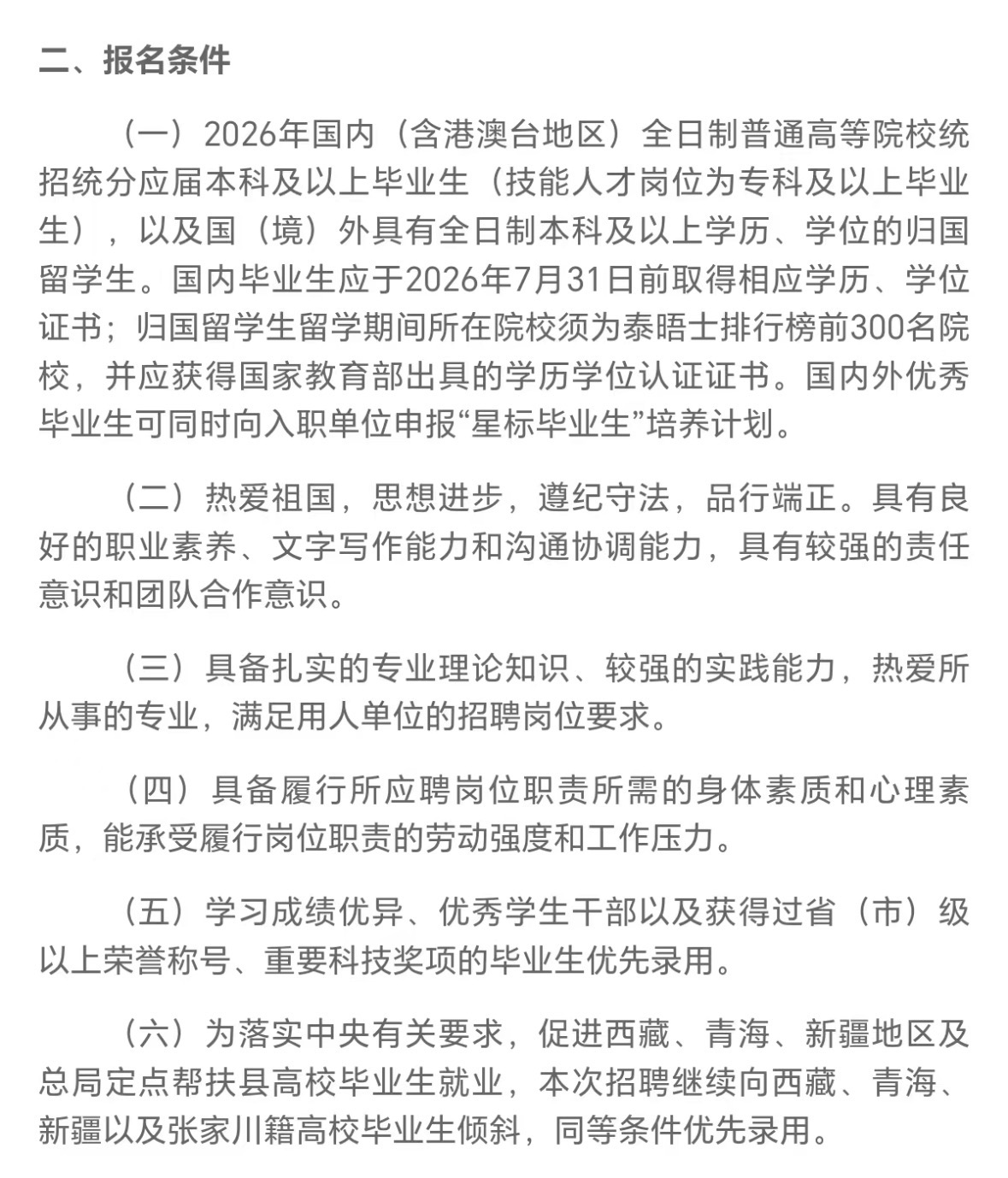
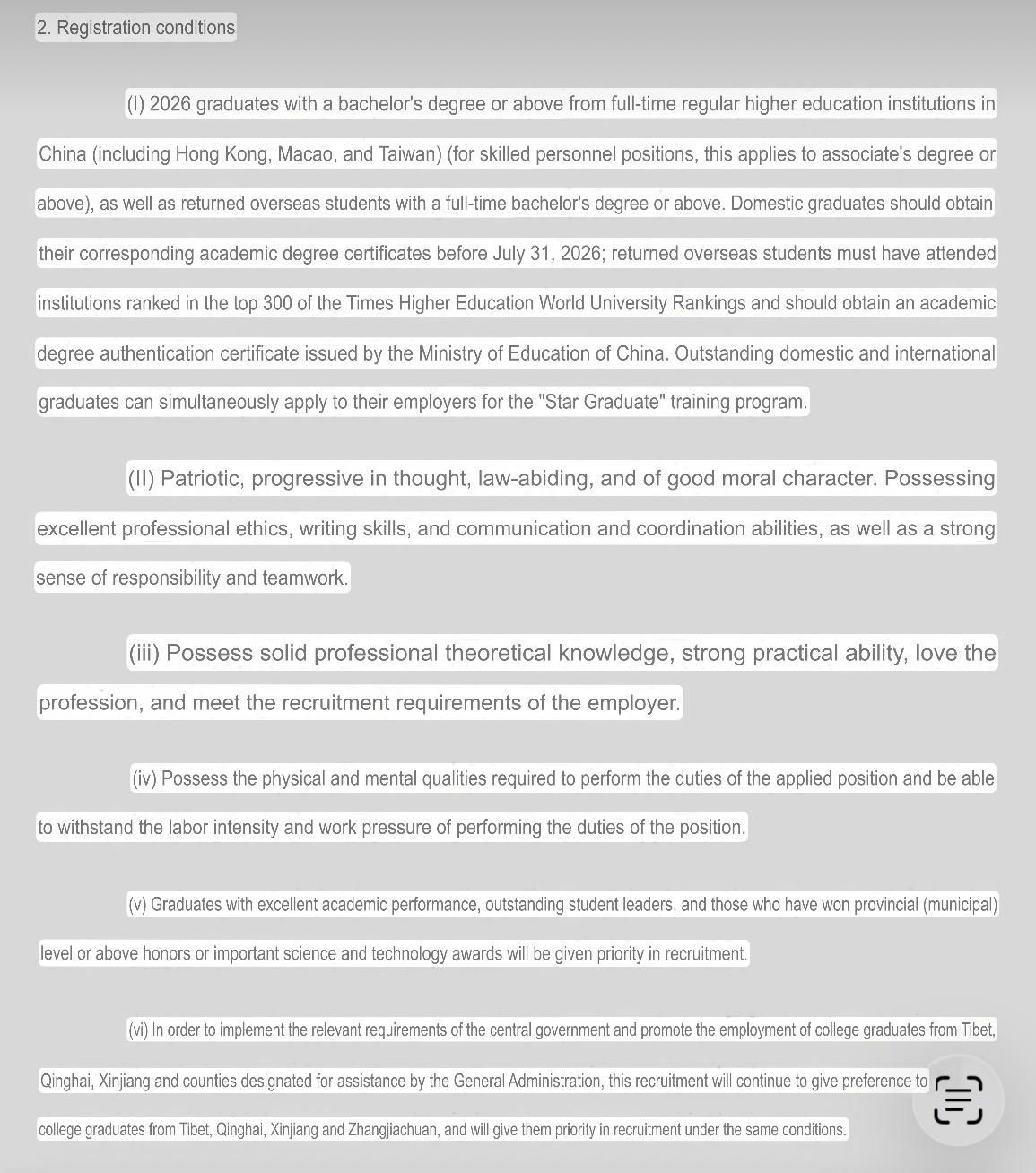
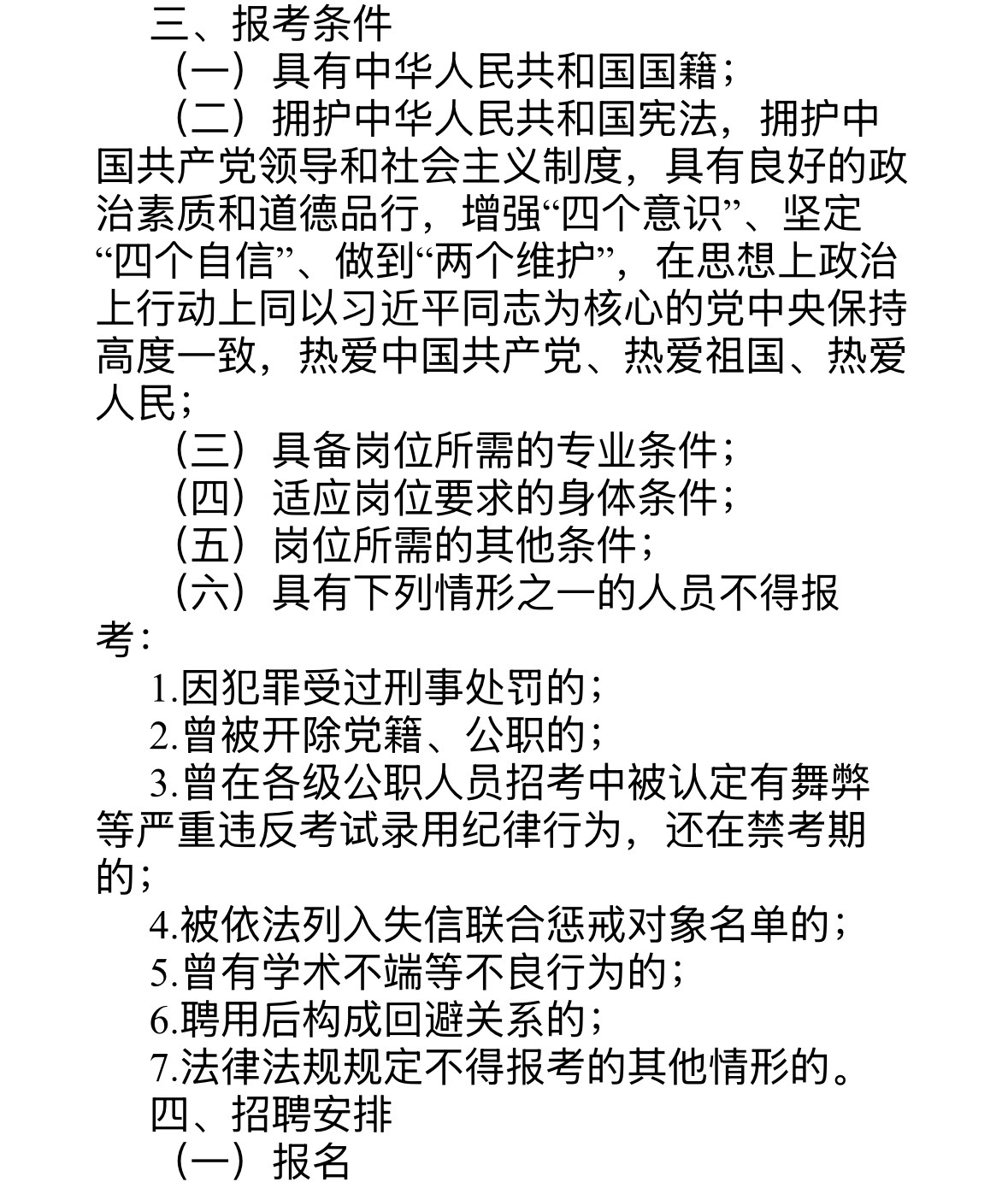
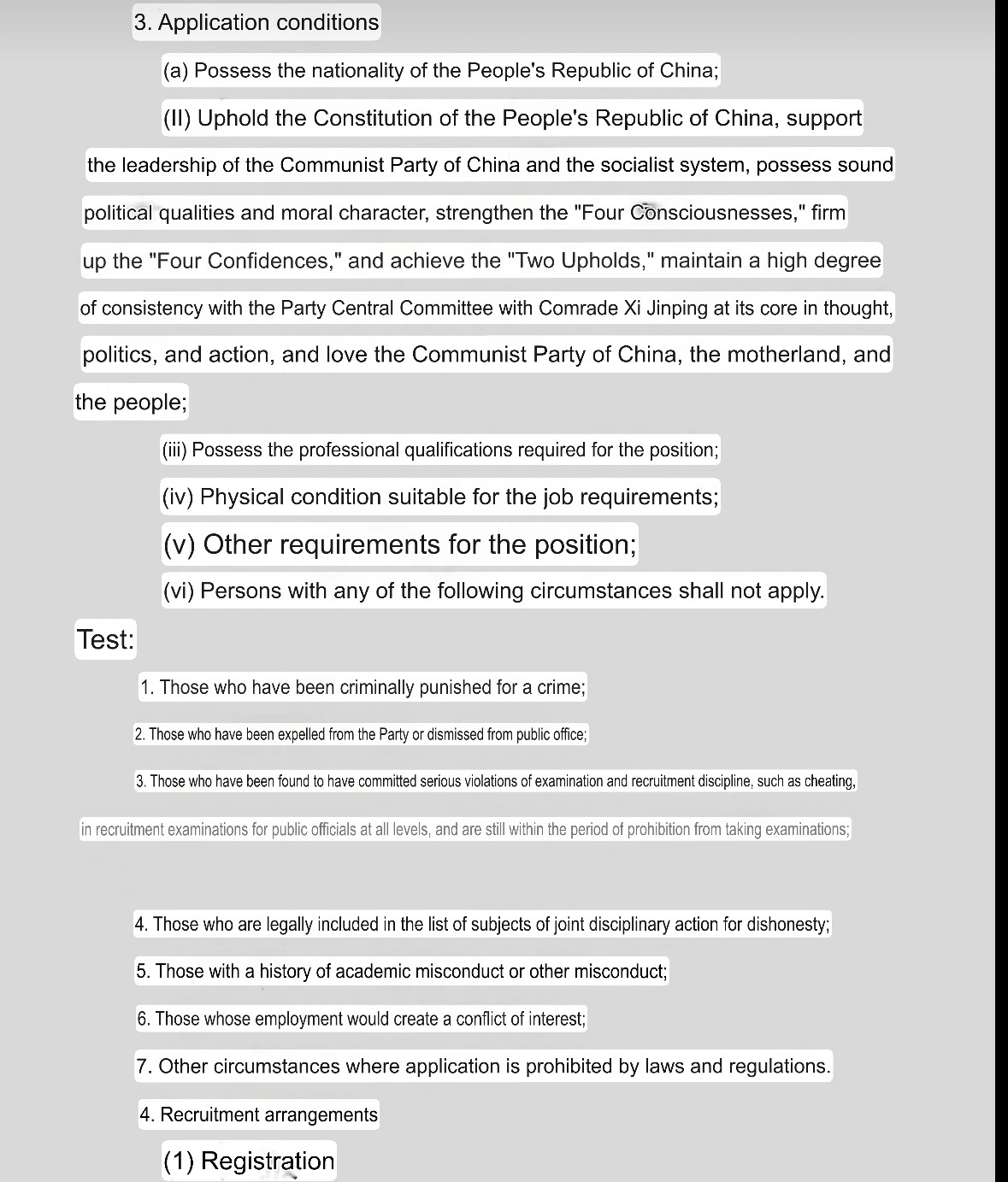
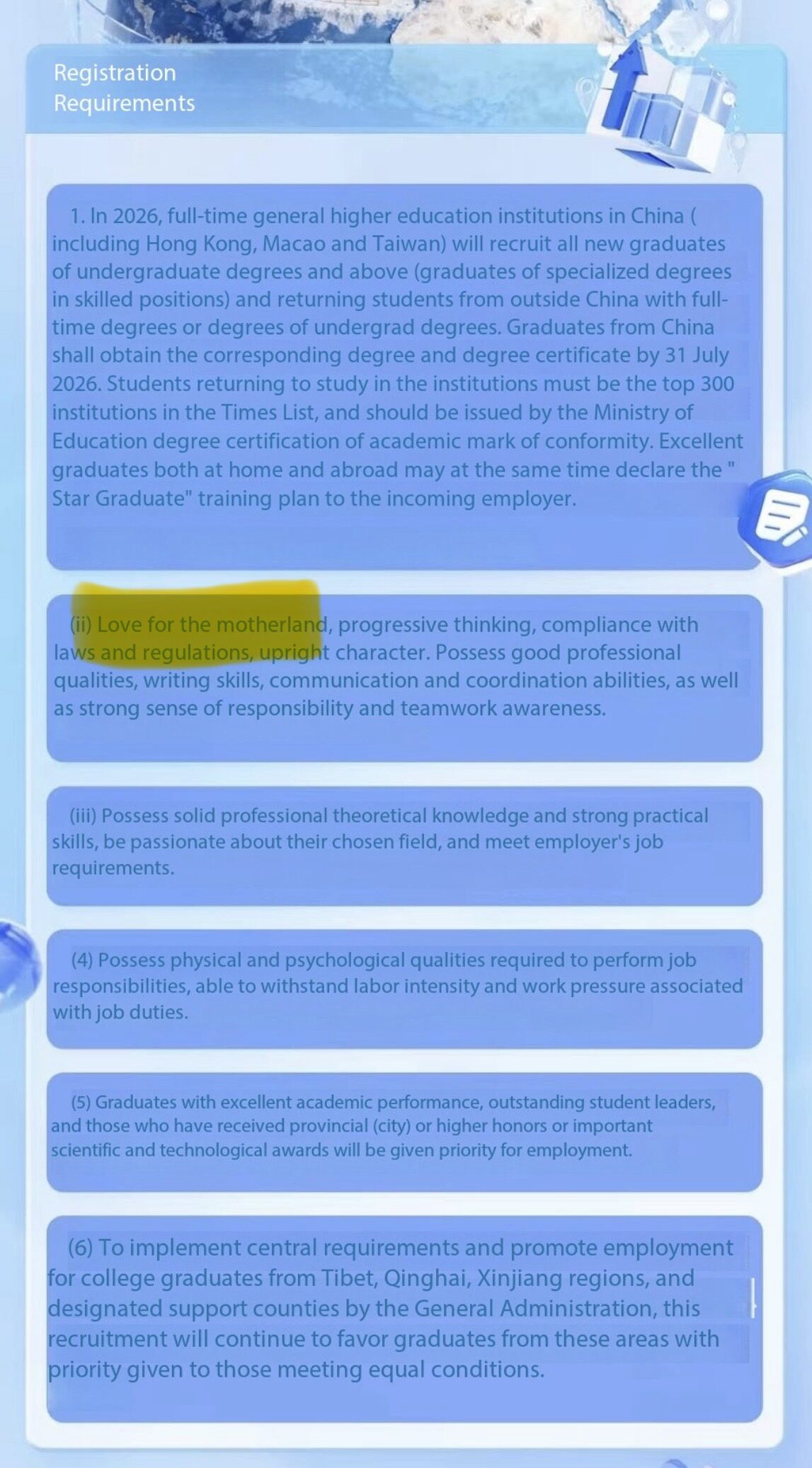
I also had students send me Chinese job adverts which I translated and used for a class activity. Several of the advertisements, particularly those for jobs in the public sector, listed requirements such as being “patriotic” or demonstrating “a love for China”. Considering these were usually listed alongside the typical more abstract requirements like “good communication skills” or “team player” commonly found in job advertisements elsewhere, it’s not entirely clear how it’s screened for or how seriously it’s taken. Together, these experiences made government presence in everyday life feel rather ordinary, even at times when it extended further than what I was used to coming from South Africa.
Conclusions
The observations described here reflect a particular set of experiences in China, shaped by the institutions we visited and the individuals we encountered. They are necessarily situated and limited and are not representative of the country as a whole. Yet taken together, they suggest that some of the binaries often used to describe China are not always experienced as cleanly or consistently as they are presented in external debate. Experiences such as these do not resolve broader questions about Chinese society or governance. What they can do, however, is illustrate the value of engaging with specific contexts and lived experiences when trying to understand complex systems.
Kaitlyn Albertyn
Youth Fellow at the International Youth Think Tank since 2024, Kaitlyn Albertyn holds an Honours degree in International Relations, where she specialised in climate conflict and political ecology. Her interests include Chinese foreign policy and the changing international order. She participated in the 2024 IYTT International Youth Conference.
Masindi Netshakhuma
Youth Fellow at the International Youth Think Tank since 2024, Masindi Netshakhuma is a multi-award-winning South African writer, cultural practitioner, publisher, and filmmaker whose work centres on storytelling, indigenous languages, women’s voices, and social impact. She holds a Bachelor of Education degree and is currently pursuing further studies in Language Education, Arts and Culture. A storyteller since childhood, Masindi is the author of approximately five books, including her latest work, Mshongoville Darkward, which was edited by renowned Belgian linguist and scholar Prof. Gilles-Maurice de Schryver, marking an important international milestone in her literary journey. She serves in the Board of Directors for T shivenda National Lexicography Unit at the University of Venda and has contributed to the publishing sector as a developmental editor and selection panel member for the Department of Sports, Arts and Culture Publishing Hub. Her work has received national and continental recognition, including being listed among Mail & Guardian’s T op 50 Powerful Women in 2022, winning the Authorship and Creative Writing category at the Forty Under 40 Africa Awards, and receiving the Multilingualism Award from the Pan South African Language Board.